Our Vision: Quality, Competency, and Research
The Department of Clinical Haematology at Christian Medical College and Hospital, Ludhiana, is committed to delivering exceptional care through a strong foundation of quality, clinical expertise, and research. We provide comprehensive services for both children and adults with blood disorders and hematologic cancers.
Pioneering Haematology & Stem Cell Transplantation in Northern India
In keeping with the tradition of excellence at CMC Ludhiana, we were the first institution in Northern India to establish a dedicated Haematology and Stem Cell Transplantation Unit. Our department performed:
- Punjab’s first successful allogeneic stem cell transplant in a patient with Philadelphia chromosome-positive Acute Lymphoblastic Leukemia (Ph+ ALL)
- Northern India’s first matched unrelated donor (MUD) transplant
- The region’s first transplants for Thalassemia and primary immunodeficiencies such as Wiskott-Aldrich Syndrome
Our Achievements
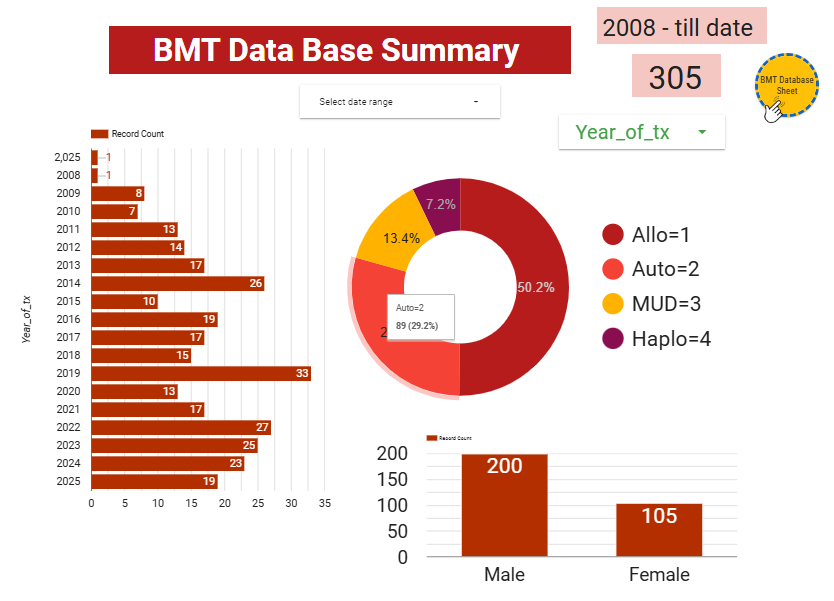
- Over 300+ successful stem cell transplants to date
- Active and expanding Matched Unrelated Donor (MUD) and Haploidentical Transplantation programs
- Proud member in good standing of the National Marrow Donor Program (NMDP), USA since 2015
Key Features
- Blood cancer (Leukaemia, Lymphoma and Multiple Myeloma)
- Haemophilia and bleeding disorders
- Thrombosis (deep vein thrombosis(DVT) and pulmonary embolism(PE)
- Bone marrow failure syndromes/Aplastic Anaemia
- Immunodeficiency (Wiskott-Aldrich, CVID, SCID)
- Hemoglobin disorders (Thalassemia, Haemolytic Anaemia, Sickle Cell Disease etc.)
- Platelet disorder (ITP, ET)
Our Expertise
- Stem cell /bone marrow transplantation (unrelated, haploidentical, cord blood, allogeneic and autologous)
- Chemotherapy and treatment for blood cancers
- Haemophilia and bleeding disorders management
- Long-term follow-up clinic for recipients of stem cell transplantation
- Thrombosis (blood clots) clinic and anticoagulation service
- Apheresis and venesection program
- Research
Our Commitment
Guided by faith in God and powered by a passionate and skilled multidisciplinary team, we are dedicated to advancing patient care, education, and research. We strive to offer state-of-the-art treatment and hope to every individual and family we serve—across Punjab, Northern India, and beyond.
Vision Statement
To meet the hematology, oncological, and stem cell transplant needs of patients through ethical high quality patient care by constant innovation towards premium personalized patient care and specialized training of the health professionals.
Mission Statement
To create an outstanding Department of Clinical Haematology, Medical Oncology & Bone Marrow (Stem Cell) Transplant, which is worthy of the healing ministry of Christ. This we will do through service, education, and training, to produce professionally excellent, ethically sound individuals who will go out as servant leaders of health teams and healing communities.
Purpose statement
- Provide Excellence in medical care
- Serve the health needs of the community including the underprivileged
- Train health professionals for India.
- Provide holistic healing (body, spirit, and soul) in the spirit of Jesus Christ
-
We treat both children and adults with blood and cancer disorders.
In keeping with the tradition of excellence at the Christian medical college and hospital, Ludhiana we are the first institution in northern India to establish a dedicated unit for haematology and stem cell transplantation. Following the first successful allogeneic stem cell transplant in the state of Punjab, in a patient with Philadelphia positive ALL; the team was also the first to perform a successful matched unrelated donor transplant and also establish a stem cell transplant program in northern India for Thalassemia and Immunodeficiencies like Wiskott Aldrich Syndrome.
The department has completed more than 300 successful stem cell transplants and has an active ongoing matched unrelated donor (MUD) transplantation and haploidentical stem cell transplantation programme. It is an added seal of recognition that the institute is a member of National Marrow Donor Programme, USA (NMDP) in good standing since 2015.
The department excels and specializes in the management of patients (both children and adults)with benign haematological disorders of platelets, red and white blood cells like anaemia, ITP, Aplastic anaemia, Haemolytic anaemia, Haemophilia, thrombosis etc.and also Haemato-oncology leukemia(blood cancer), lymphoma and multiple myeloma).
We firmly believe that with the God Almighty at the helm of affairs and a spirited team, we will be able to fulfill the vision of providing excellent care for the people of India.
Detailed list of services and treatments available:
- Blood cancer(Leukemia, Lymphoma and multiple myeloma)
- Haemophilia and bleeding disorders
- Thrombosis (deep vein thrombosis(DVT) and pulmonary embolism(PE)
- Bone marrow failure syndromes/Aplastic Anaemia
- Immunodeficiency (Wiskott-Aldrich, CVID, SCID)
- Haemoglobin disorders (Thalassemia, Haemolytic Anaemia, Sickle Cell Disease etc.)
- Platelet disorder (ITP, ET)
Specialty clinics or programs:
- Special Test Laboratory
- CANDLE Nursing Care Services at Home
- Haemophilia and Bleeding Disorder Management
- Bone Marrow (Stem cell) Transplant
- Tele Medicine
Our Expertise
- Stem cell /bone marrow transplantation (unrelated, haploidentical, cord blood, allogeneic and autologous)
- Chemotherapy and treatment for blood cancers
- Haemophilia and bleeding disorders management
- Long-term follow-up clinic for recipients of stem cell transplantation
- Thrombosis (blood clots) clinic and anticoagulation service
- Apheresis and venesection program
- Research
How to prepare for appointments or procedures
Leukemia is a type of cancer that affects the blood and bone marrow, which is the tissue inside the bones where blood cells are produced. It starts when abnormal white blood cells, which are part of the body’s immune system, begin to grow uncontrollably. These abnormal cells can crowd out normal blood cells, leading to a range of health problems.
There are several types of leukemia, classified based on how quickly the disease progresses (acute or chronic) and which type of blood cell is affected (lymphoid or myeloid):
1. Acute Leukemia: This progresses quickly and requires immediate treatment. It is characterized by the rapid growth of immature blood cells.
- Acute Lymphoblastic Leukemia (ALL): Affects lymphoid cells (which fight infection).
- Acute Myeloid Leukemia (AML): Affects myeloid cells (which produce red blood cells, white blood cells, and platelets).
2. Chronic Leukemia: This develops more slowly and may not show symptoms for a long time.
- Chronic Lymphocytic Leukemia (CLL): Affects lymphoid cells and tends to progress slowly.
- Chronic Myeloid Leukemia (CML): Affects myeloid cells and typically progresses more slowly than acute forms.
Symptoms of leukemia can include fever, fatigue, frequent infections, weight loss, easy bruising or bleeding, swollen lymph nodes, and pain or a feeling of fullness below the ribs (due to an enlarged spleen or liver). The treatment for leukemia often involves chemotherapy, radiation therapy, targeted therapy, and in some cases, a stem cell or bone marrow transplant.
Frequently asked questions:
1. What is anemia?
Answer: Anemia is a condition where you don’t have enough healthy red blood cells to carry adequate oxygen to your body’s tissues. Common causes include nutritional deficiencies (like iron or vitamin B12), chronic diseases, or genetic conditions. Symptoms include fatigue, weakness, pale skin, and shortness of breath.
2. What is iron deficiency anemia?
Answer: Iron deficiency anemia is a type of anemia caused by a lack of iron in the body, which is essential for producing hemoglobin in red blood cells. It can be caused by poor diet, heavy menstrual periods, blood loss, or an inability to absorb iron properly. Symptoms often include fatigue, dizziness, pale skin, and headaches.
3. What is sickle cell anemia?
Answer: Sickle cell anemia is a genetic disorder that causes red blood cells to become crescent-shaped (like a sickle) instead of round. These sickle-shaped cells can block blood flow, leading to pain, organ damage, and anemia. It is most common in people of African, Mediterranean, Middle Eastern, and Indian ancestry.
4. What is leukemia?
Answer: Leukemia is a cancer of the blood and bone marrow, characterized by an abnormal increase in white blood cells. There are different types, including acute and chronic forms, and it can affect either lymphoid or myeloid cells. Symptoms can include fatigue, frequent infections, easy bruising, or abnormal bleeding.
5. What is lymphoma?
Answer: Lymphoma is a cancer that starts in the lymphatic system, which is part of the immune system. There are two main types: Hodgkin lymphoma and non-Hodgkin lymphoma. Symptoms include swollen lymph nodes, fever, weight loss, and night sweats.
6. What is hemophilia?
Answer: Hemophilia is a genetic disorder that affects blood clotting. People with hemophilia lack certain clotting factors, making it difficult for blood to clot properly and leading to prolonged bleeding after injuries or surgeries. It is more common in males and can vary in severity.
7. What is thrombocytopenia?
Answer: Thrombocytopenia is a condition where there are low levels of platelets in the blood. Platelets are important for blood clotting, so low platelet count can lead to easy bruising, excessive bleeding, and difficulty stopping bleeding. It can be caused by various factors, including bone marrow disorders, autoimmune diseases, or certain medications.
8. What are blood transfusions and when are they needed?
Answer: A blood transfusion is a medical procedure where blood is given to a patient through an intravenous (IV) line. It’s commonly used to treat conditions like anemia, blood loss from surgery or injury, or certain blood disorders like leukemia and sickle cell disease.
9. What is myeloma (multiple myeloma)?
Answer: Myeloma is a cancer that begins in plasma cells, a type of white blood cell found in the bone marrow. These cancerous plasma cells can grow uncontrollably and interfere with the production of normal blood cells. Symptoms may include bone pain, weakness, fatigue, and frequent infections.
10. How is a bone marrow biopsy performed?
Answer: A bone marrow biopsy is a procedure used to collect a sample of bone marrow, usually from the hip bone, to examine for abnormalities such as leukemia, lymphoma, anemia, or myeloma. The procedure is typically done under local anesthesia, and the sample is examined under a microscope.
11. What is a stem cell transplant?
Answer: A stem cell transplant is a procedure where damaged or diseased bone marrow is replaced with healthy stem cells, which can grow into new blood cells. This is often used to treat conditions like leukemia, lymphoma, or certain genetic blood disorders. It can involve either an autologous transplant (using the patient’s own stem cells) or an allogeneic transplant (using stem cells from a donor).
12. How are bleeding disorders diagnosed?
Answer: Bleeding disorders are typically diagnosed through a combination of medical history, physical examination, and blood tests. Tests may include a complete blood count (CBC), clotting factor assays, or platelet function tests to evaluate the clotting ability of the blood.
13. What are the risk factors for blood cancers like leukemia or lymphoma?
Answer: Risk factors for blood cancers can include a family history of blood cancers, previous radiation or chemotherapy treatments, certain genetic conditions (such as Down syndrome), and exposure to chemicals like benzene. In some cases, the exact cause is unknown.
14. Can blood cancers be prevented?
Answer: While there is no guaranteed way to prevent blood cancers like leukemia or lymphoma, maintaining a healthy lifestyle with a balanced diet, regular exercise, and avoiding exposure to harmful chemicals can lower the risk. Early detection and treatment also improve outcomes.
Patient testimonials and success stories
DM Program in Clinical Haematology
Clinical Haematology in India has witnessed significant growth over the past two decades, driven by rapid advances in diagnostics, therapeutics, and stem cell transplantation. With the introduction of several new drugs and treatment modalities for haematological disorders, there is an increasing demand for trained specialists in this field.
The first DM (Doctorate of Medicine) program in Clinical Haematology in India was initiated at CMC Vellore in 1999. In recent years, several institutions have started similar programs across the country. However, in Punjab, the only existing DM programs are at PGIMER Chandigarh and Christian Medical College, Ludhiana.
Despite there being over 100 centers across India offering stem cell transplantation, only a limited number of medical colleges provide comprehensive training in this area. North of Delhi, CMC Ludhiana and PGIMER Chandigarh are the only centers with established allogeneic stem cell transplant programs.
Till now, five DM residents have passed out from our centre. We have completed a total of four batches of DM residency, and the fifth batch is currently ongoing.
Recognizing the need to train specialists in this critical field, CMC Ludhiana launched the DM Program in Clinical Haematology in 2019, affiliated with Baba Farid University of Health Sciences (BFUHS), Faridkot. The program aims to equip future haematologists with advanced clinical skills, research expertise, and ethical practice standards to meet the growing needs of patients with haematological disorders.
CME, Workshops and Masterclass
Coagulation Masterclass – 16th August 2025
A Coagulation Masterclass was conducted on 16th August 2025, focusing on the latest advances in the diagnosis and management of coagulation disorders. The session featured expert discussions, interactive case presentations, and hands-on learning to enhance clinical understanding and laboratory correlation in coagulation testing.
Workshop on PICC Line Insertion, Care, and Maintenance
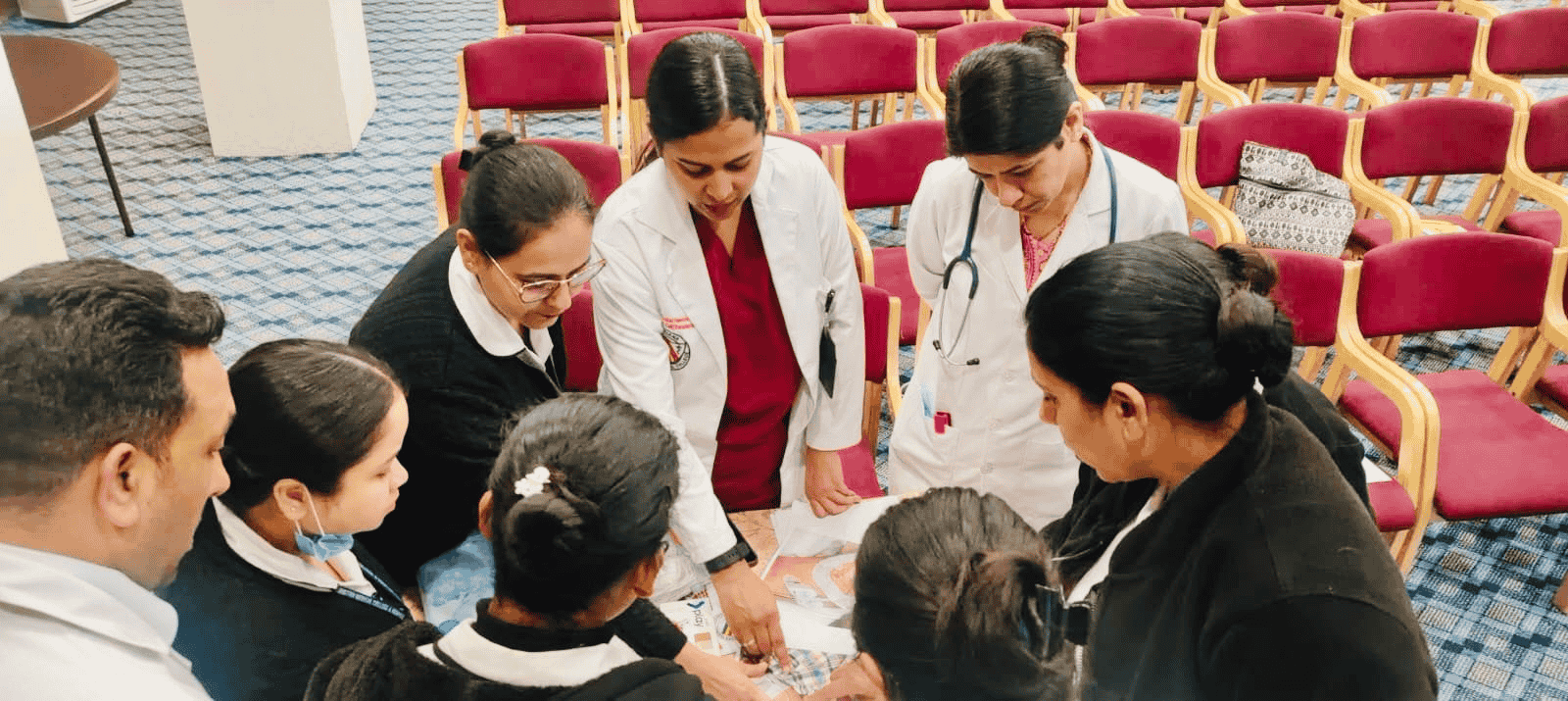
A two-day Workshop on PICC Line Insertion, Care, and Maintenance was conducted on March 7–8, 2025, by the Department of Clinical Haematology & Haemato-Oncology, CMC Ludhiana. The workshop aimed to enhance the clinical skills and knowledge of nursing and medical staff in vascular access management.
The sessions included expert demonstrations, hands-on training, and interactive discussions on best practices for catheter insertion, infection prevention, line maintenance, and complication management. The program emphasized patient safety, quality care, and adherence to evidence-based clinical standards.
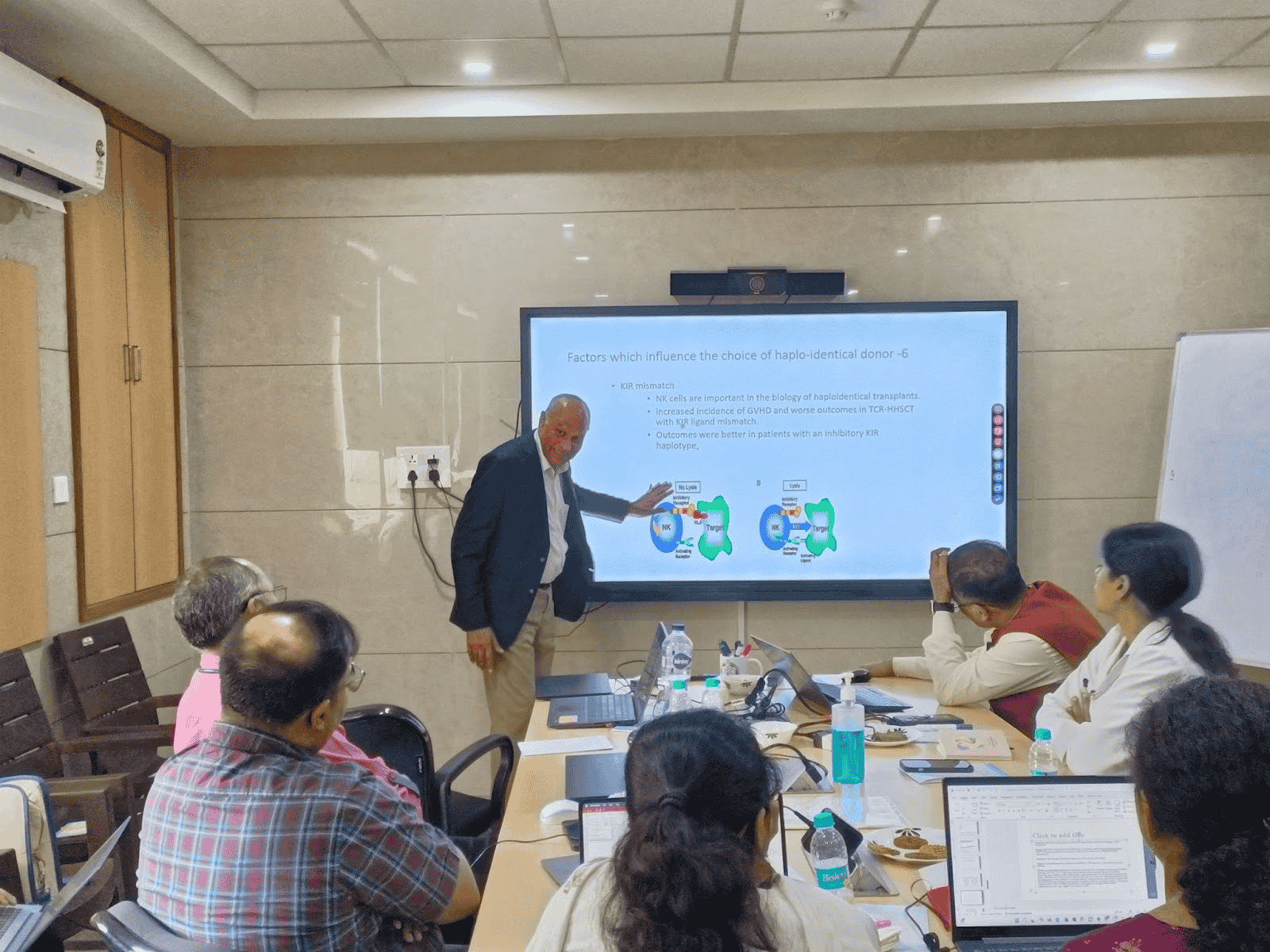
DM Masterclass with Dr. Mammen Chandy
A DM Masterclass was conducted on October 25, 2024, by the Department of Clinical Haematology & Haemato-Oncology, CMC Ludhiana. The session was led by Dr. Mammen Chandy, a renowned haematologist and pioneer in bone marrow transplantation in India.The interactive session focused on recent advances in clinical haematology, case-based discussions, and training for DM residents to strengthen their diagnostic and therapeutic skills. Participants gained valuable insights into complex haematological disorders and current treatment approaches through Dr. Chandy’s vast clinical experience and expertise.
CME on BMT Updates
A Continuing Medical Education (CME) program on “BMT Updates” was held on October 26, 2024, organized by the Department of Clinical Haematology & Haemato-Oncology, CMC Ludhiana.
The CME focused on recent developments in Bone Marrow Transplantation (BMT), including advancements in transplant techniques, donor selection, post-transplant care, and emerging therapies. The event featured expert talks, interactive discussions, and case presentations aimed at enhancing clinical knowledge and collaborative practice among healthcare professionals.
Department location and directions within the hospital
Location:
Clinical Haematology Department
4th Floor, PP Wing
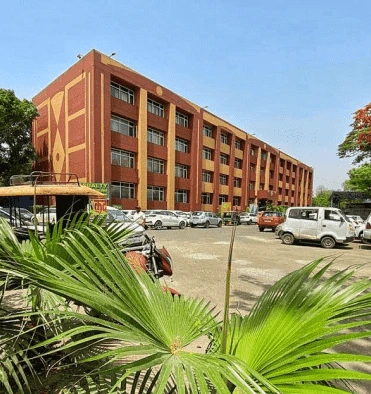
Christian Medical College & Hospital
Ludhiana, Punjab
Landmark:
Located near Ward 16 – Psychiatry Department
Directions within the Hospital:
- Enter through the Main Hospital Entrance.
- Take the elevator or stairs in the PP Wing (Patient Pavilion Wing) to the 4th Floor.
- As you exit the lift, follow the signage toward Ward 16 (Psychiatry).
- The Clinical Haematology Department is located opposite to Ward 16.
Assistance:
If you need help finding us, please ask at the Reception on the ground floor or contact our department Office at +91-161-2115095, during working hours.
Contact information and appointment scheduling links
- To book your appointment contact on 0161-2115258, 0161- 2115264
- Contact On Call Doctor on +91-9915851194
- Contact On Call Physician Assistant on +91-9780005333
- For CMCL Telemedicine Consultations, go to https://telemedicine.cmcludhiana.in/ search for the Doctor of your choice or pick Specialty to see the list of doctors you can consult with. Then click the Book Online button under the doctor’s name and proceed to BOOK VIDEO CONSULT after agreeing to the common terms and conditions.
- Call CMC Telemedicine Helpline: 0161 2115008 for assistance.
Patient Resources
BMT Website – https://www.bmtcmcludhiana.in/
Joint programs or initiatives with community organizations
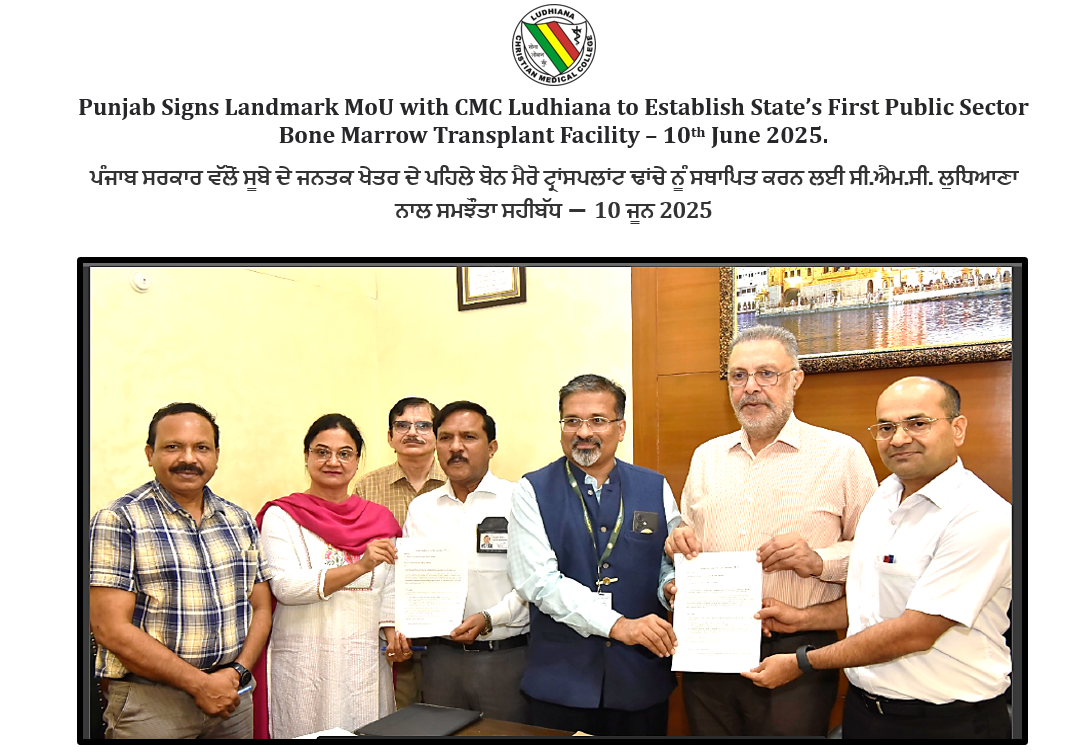
(Show the department’s cooperative efforts to broaden healthcare services and community outreach.)
11. Quality and Safety
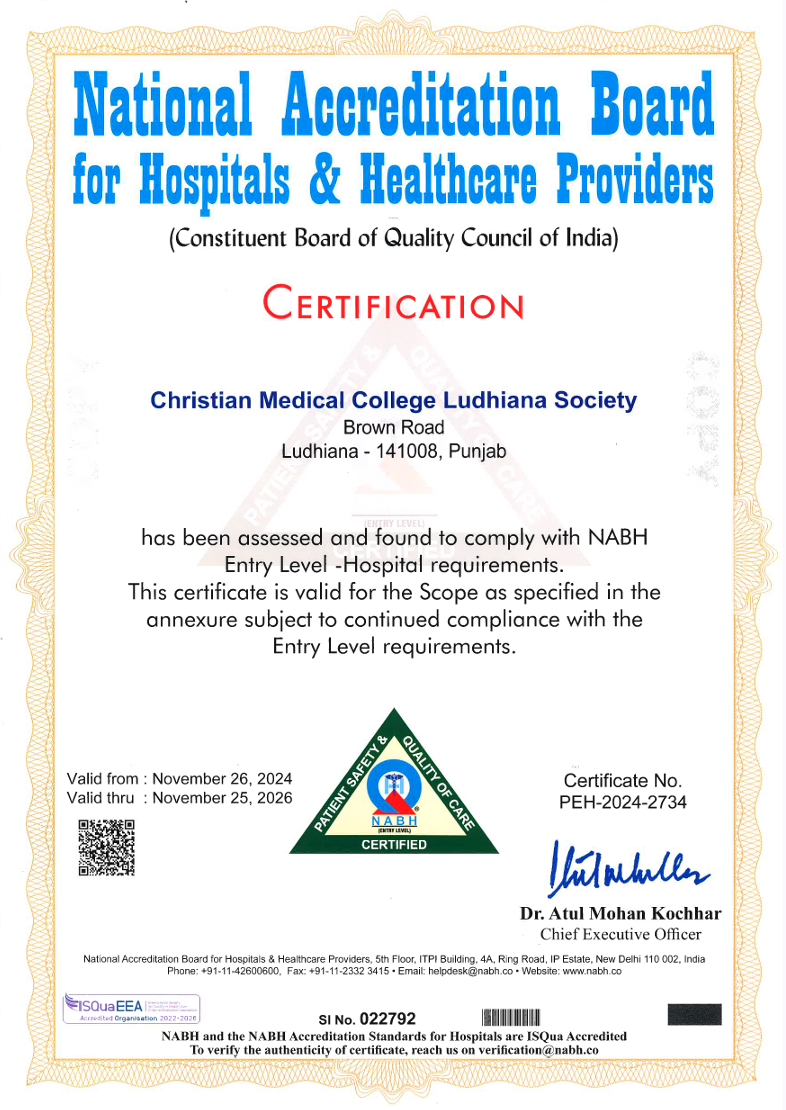
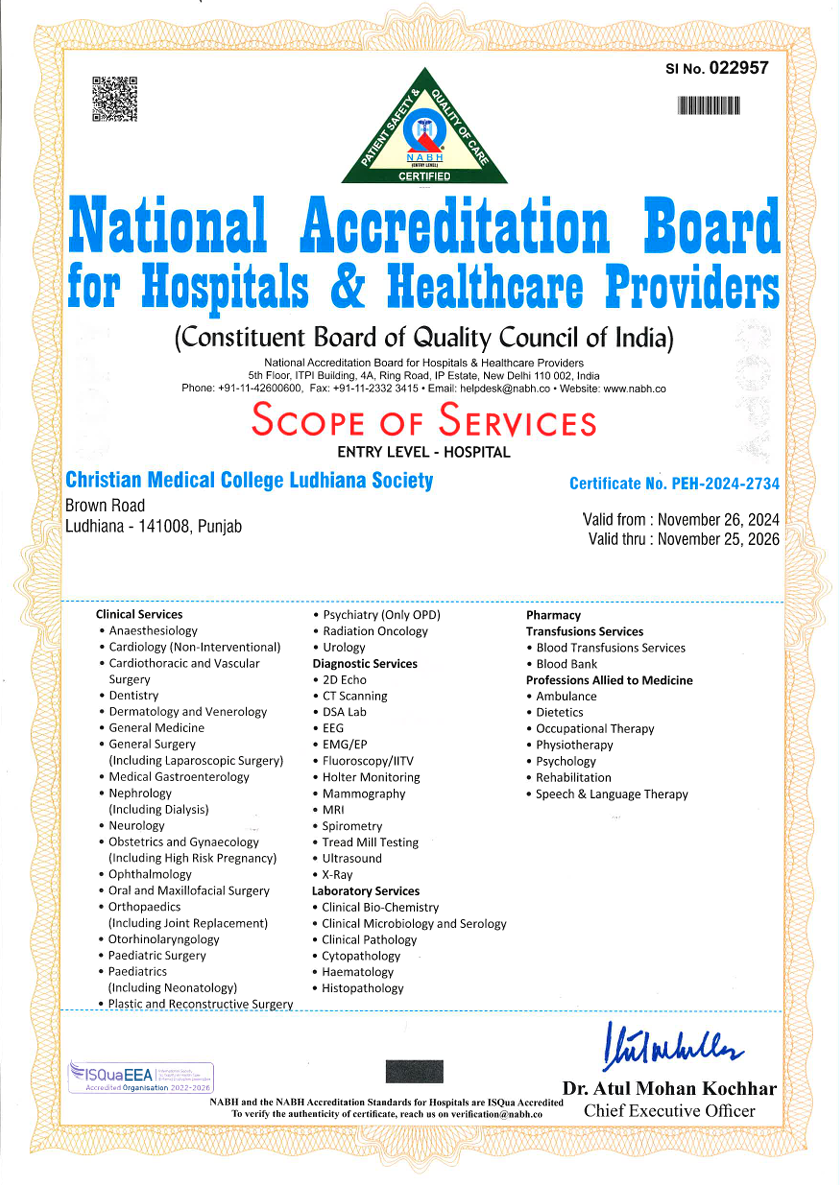
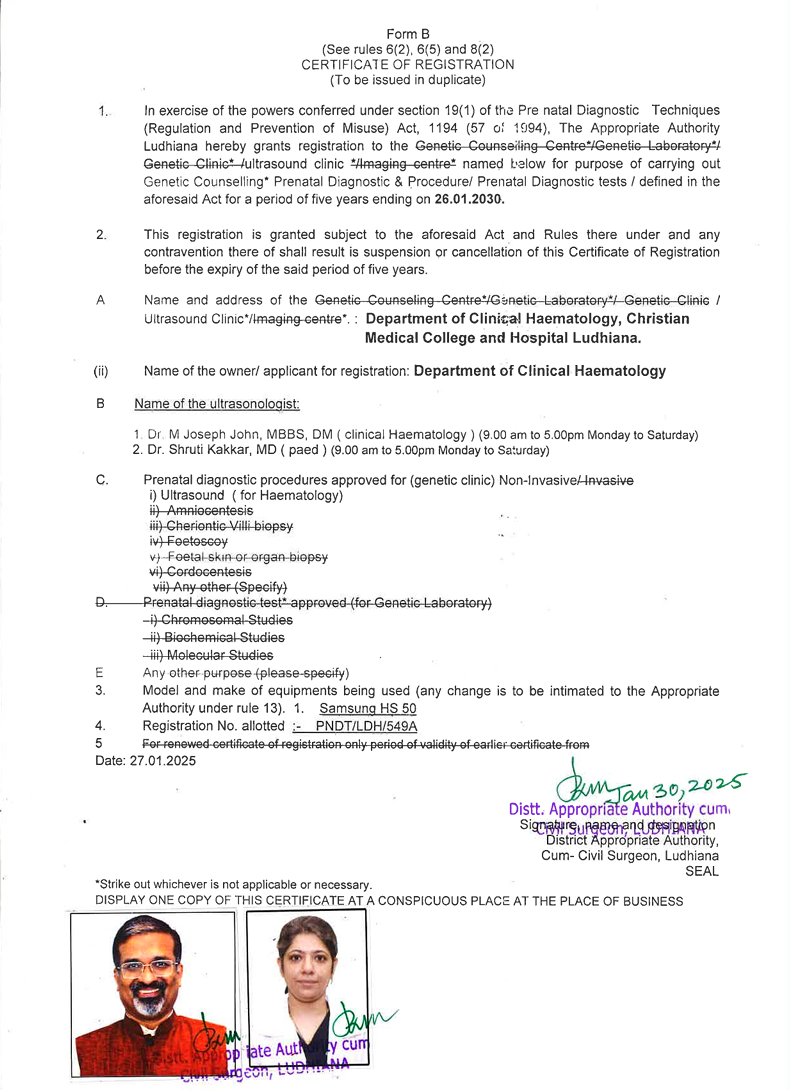
- Accreditation and certifications held by the department
Data on patient outcomes or satisfaction scores
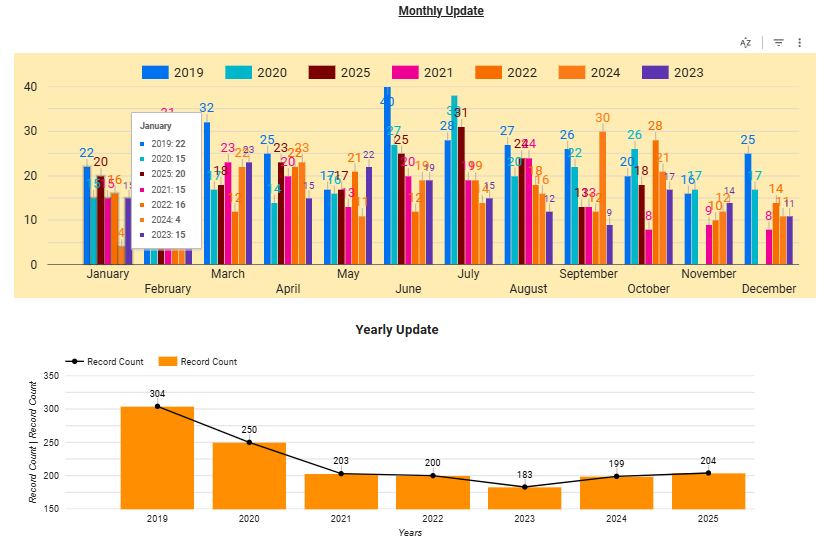
a. Admissions report yearwise and monthwise
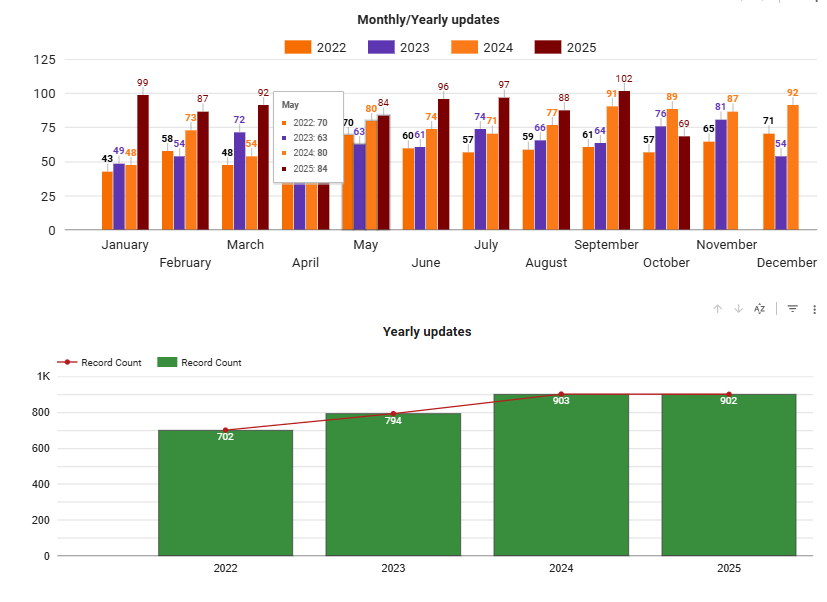
b. Bone Marrow Transplant report since 2008 to till now
c.Tumor Board Report yearwise and monthwise